
By Etherly Barasa
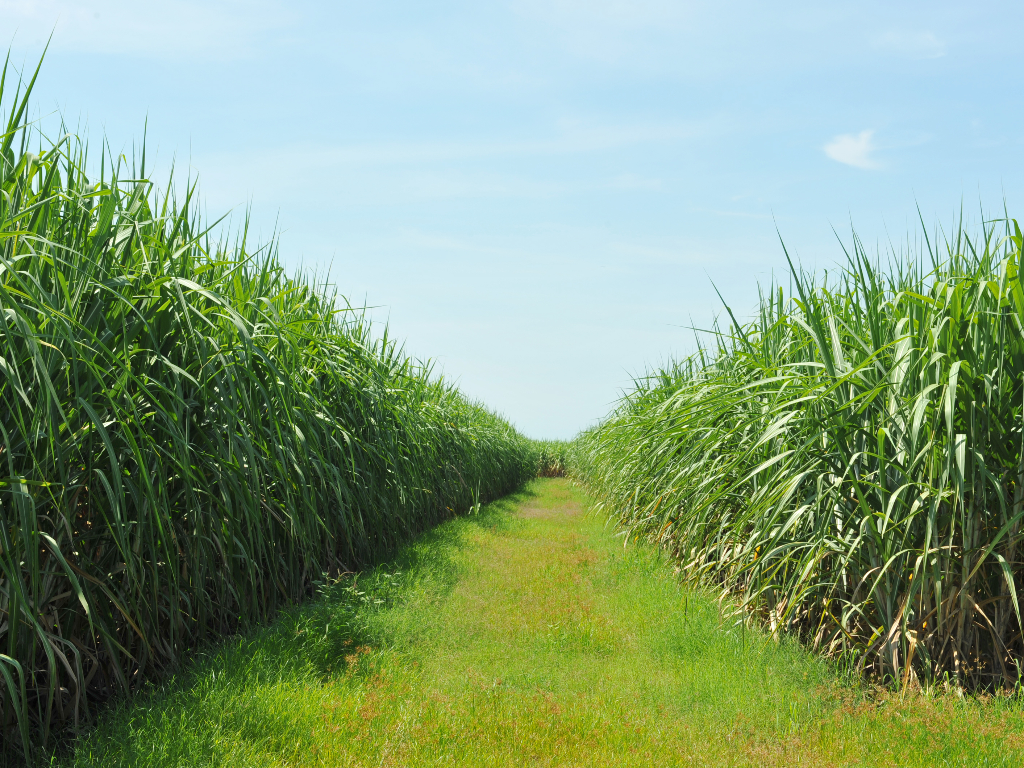
Western Kenya, particularly the counties of Kakamega, Bungoma, Busia and parts of the Nyanza region, is widely recognised as the largest sugarcane-growing zone in the country. This explains why most of Kenya’s sugar milling factories are concentrated in these areas.
The western region offers highly favourable climatic conditions for sugarcane cultivation, including reliable rainfall, suitable temperature and fertile soils. While other regions such as the coastal belt also present strong potential, especially under irrigation and due to its warm and humid climate that speeds up the maturity cycle in 10-14 months, compared to western region maturity cycle of 18-24 months. Western Kenya remains the backbone of the country’s sugar industry due to its established farming systems, infrastructure and consistent rain-fed production.
Let us take a closer look at the key factors that make Western Kenya the most suitable region for sugarcane farming:
1. Consistent Rainfall
Sugarcane requires 1,200–1,500 mm of well-distributed rainfall annually. Unlike the coastal region, Western Kenya’s consistent dual rainy seasons provide sufficient moisture, allowing sugarcane to thrive without the need for expensive irrigation systems in most areas.
2. Fertile Volcanic Soils
The region is historically endowed with deep, loamy, well-drained soils that are rich in nutrients. These soils support strong root development and vigorous cane growth, often reducing the need for heavy fertilizer use, compared to areas near the sea, which can have high water table leading to waterlogged roots, which can restrict growth.
3. Warm Temperatures
Sugarcane grows best in temperatures between 20°C and 30°C. Western Kenya’s warm, humid climate encourages efficient photosynthesis and biomass accumulation, both of which are essential for high yields. The coastal warm and humid climate though great for fast maturity, high humidity in the region throughout the year creates a favorable environment for pests and diseases, which may negatively affect the sugarcane.
4. Ample Sunlight
Sugarcane is a sun-loving crop and Western Kenya receives generous sunlight year round. This promotes high sucrose production, which is crucial for quality sugar output.
Thanks to these natural advantages, farmers in the region can achieve yields of 50–80 tons per hectare when using improved agricultural practices. Many also adopt intercropping with legumes to enhance soil health and maximize land productivity.
Climate Challenges and Solutions
While Western Kenya’s climate has traditionally favored sugarcane farming, climate variability is emerging as a major challenge. Increasingly erratic rainfall, prolonged dry spells and flash floods now pose risks to productivity and farmer livelihoods.
To adapt and maintain productivity, farmers are encouraged to:
- Adopt climate-smart agriculture such as intercropping, mulching and the use of drought tolerant cane varieties
- Use soil testing to guide efficient and targeted fertilizer application
- Practice timely planting and harvesting to match changing weather patterns
- Collaborate with agricultural extension officers to access modern agronomic advice
Conclusion
Western Kenya, compared to other potential regions, possesses the ideal mix of climate, soil and sunlight for successful sugarcane production. By adopting sustainable and climate resilient farming strategies, the region can continue to serve as the backbone of Kenya’s sugar industry even in the face of evolving climate challenges.