
By Gilbert Okoti
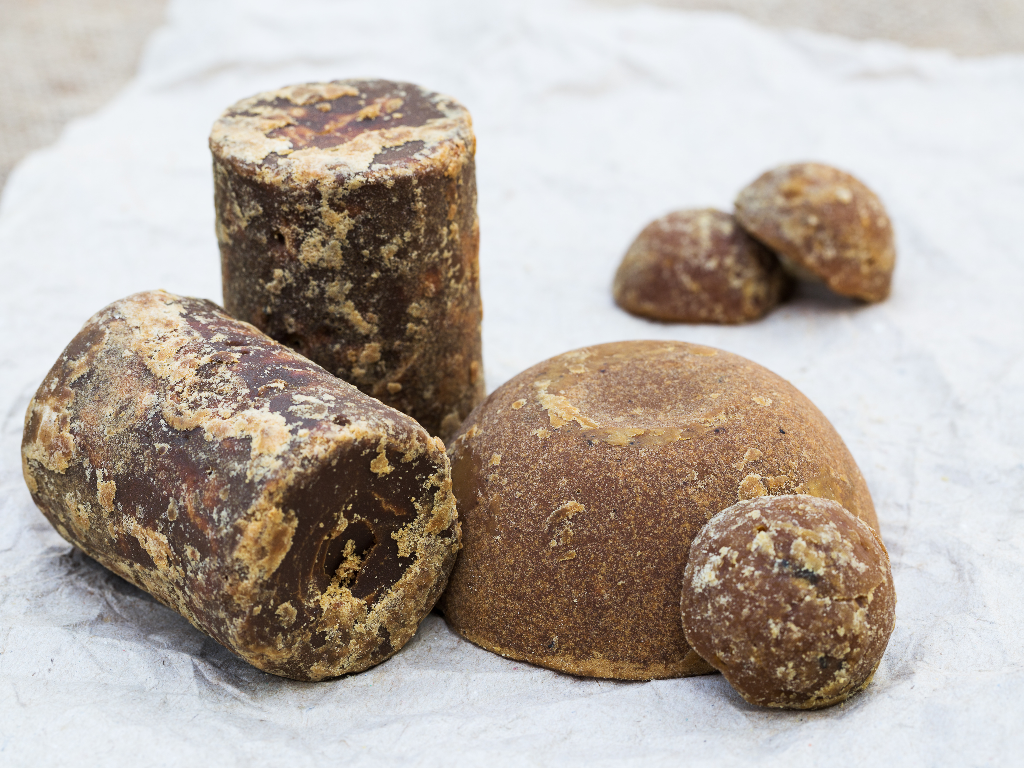
Jaggery processing is one of the largest agro-based cottage industries in Kenya. With rising demand for natural sweeteners, attention is increasingly shifting toward jaggery—a traditional non-centrifugal sugar—due to its socio-economic implications in employment and income generation.
In areas like Kamagambo and across most of rural Kenya, jaggery is produced using conventional methods that involve heating cane juice and employing approximately 10 semi-skilled workers. However, the sector has remained largely unorganized and neglected, with major inefficiencies in juice extraction, juice clarification, open-pan boiling, and minimal policy or financial support.
Traditional Jaggery Processing Workflow
In Kenya, jaggery is processed using traditional methods that involve:
-
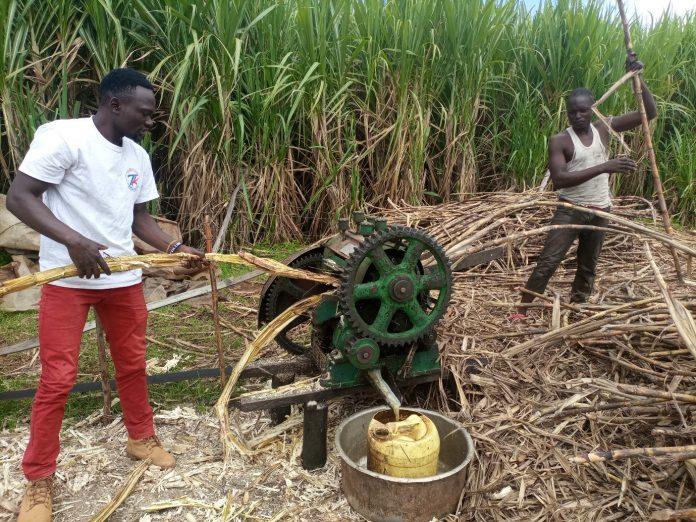
Juice extraction: Farmers use three-roller vertical or horizontal crushers. These offer juice recovery rates of 50–60%, resulting in 15–20% juice loss and higher bagasse consumption for concentration.
-
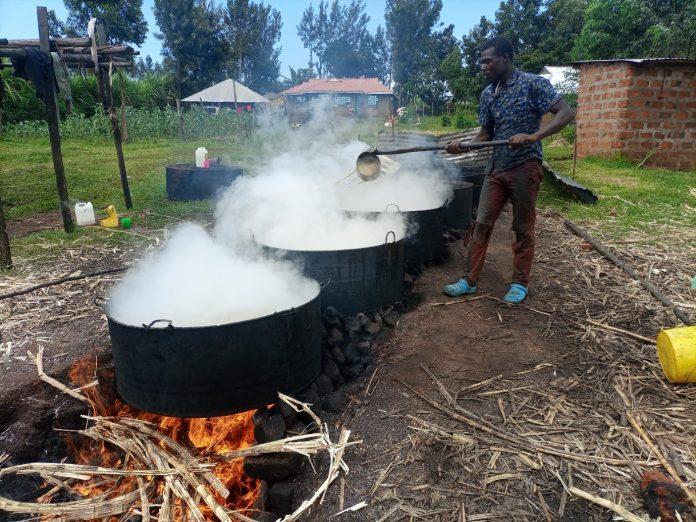
Clarification: Juice is heated and cleaned in open pans. Product quality heavily depends on how effectively the juice is clarified.
-
Boiling: Once clarified, the juice is boiled vigorously to evaporate water. At around 105°C, frothing begins. The syrup is stirred continuously to prevent burning and spilling over.
-
Striking temperature: Solid jaggery is formed when the syrup reaches 116–118°C. It is then poured into troughs for settling, stirred while cooling, molded, and packed.
To achieve jaggery that meets quality standards, modernization must occur across all stages—from juice extraction to packaging.
Socio-Economic Impact of Jaggery Processing in Kenya
Despite low cane prices (Ksh 1,600–1,800 per oxen-driven trolley, compared to the state-advised Ksh 5,800/ton), jaggery processing remains a vital rural industry:
-
Income generation: Jaggery units provide fast payments to farmers, who might otherwise wait for mill payments based on indent systems.
-
Rural employment: The industry absorbs semi-skilled labour, reduces rural-urban migration, and supports local livelihoods.
-
Simplicity and accessibility: The process relies on indigenous equipment and doesn’t demand high-tech investments, making it accessible to smallholder farmers.
-
Food security: Jaggery and its derivatives can contribute to food and nutritional security in rural areas.
Given these benefits, developing efficient processing techniques and promoting jaggery as a competitive alternative in the sugar sector is vital.
Challenges and Scope for Modernization
Despite its potential, jaggery production is riddled with:
-
Product inconsistencies
-
Low hygiene standards
-
Non-compliance with quality benchmarks
As Kenya aligns its food industry with ISO 22000:2005 and HACCP standards, the jaggery sector must modernize and comply with:
-
Clearly labeled packaging (composition, calorific value, certification, expiry dates)
-
Standardized quality assurance mechanisms
Strategic Initiatives for Jaggery Industry Growth
-
Comprehensive Database Development
The lack of an official registry of jaggery units by location and ownership hampers effective policy formulation. A national database is essential.
-
Improved Marketing Systems
Farmers need access to:
-
Daily prices and demand trends
-
Seasonal fluctuations
-
Transparent middlemen structures
Improved infrastructure and real-time price broadcasting could enhance profitability.
-
-
Technological Support and Incentives
The sugar regulator should offer economic incentives for upgrading:
-
Crushing systems
-
Juice concentration furnaces
-
Moulding and packaging equipment
-
-
Enforcing Hygiene and Quality Standards
Quality and hygiene compliance should be mandatory for all jaggery units.
-
Diversification
Jaggery processing can be expanded to include value-added products like:
-
Pellet and wafer cattle feeds using molasses
-
Medicinal and energy supplements
-
Conclusion
Kenya has immense untapped potential in jaggery production—for both domestic consumption and export. As an unorganized yet crucial rural industry, it offers an alternative income source and supports food security.
Modernizing the sector through better technology, organization, quality assurance, and strategic incentives can make jaggery a pillar in Kenya’s agro-based economy. A streamlined jaggery value chain will not only raise product standards but also empower rural producers and ensure jaggery’s place in Kenya’s evolving sugar sector.